Why Continuous Glucose Monitoring (CGM) Is Changing Diabetes Care
I read a very interesting article this morning about how diabetes care is rapidly shifting toward a more value-based and technology-driven model of care. With the growing availability of digital health tools, people living with diabetes now have access to more information about their health than ever before.
What makes this especially powerful is when glucose data is paired with information about eating habits, sleep patterns, physical activity, and even stress levels. Together, these insights can reveal important patterns that were previously difficult to recognize.
The real value comes when this information is interpreted alongside a qualified Diabetes Educator or healthcare professional. Small, manageable behavior changes — taken one step at a time — can lead to meaningful improvements in A1C levels, weight, blood sugar control, and other important health markers. These changes may help prevent diabetes-related emergencies and slow the progression of this chronic condition.
Why is this so important? Because when diabetes progresses unchecked, the risk of complications such as heart disease, kidney disease, nerve damage, and vision problems increases significantly. Unfortunately, some complications can become difficult — or impossible — to reverse once they advance.
The U.S. healthcare system is increasingly moving toward value-based care, meaning employers and insurance companies are investing more resources into prevention and proactive health management. The focus is shifting toward helping individuals take charge of their health now, rather than paying for costly complications later.
That is why I decided to create a CGM education series for my clients.
What Is a CGM?
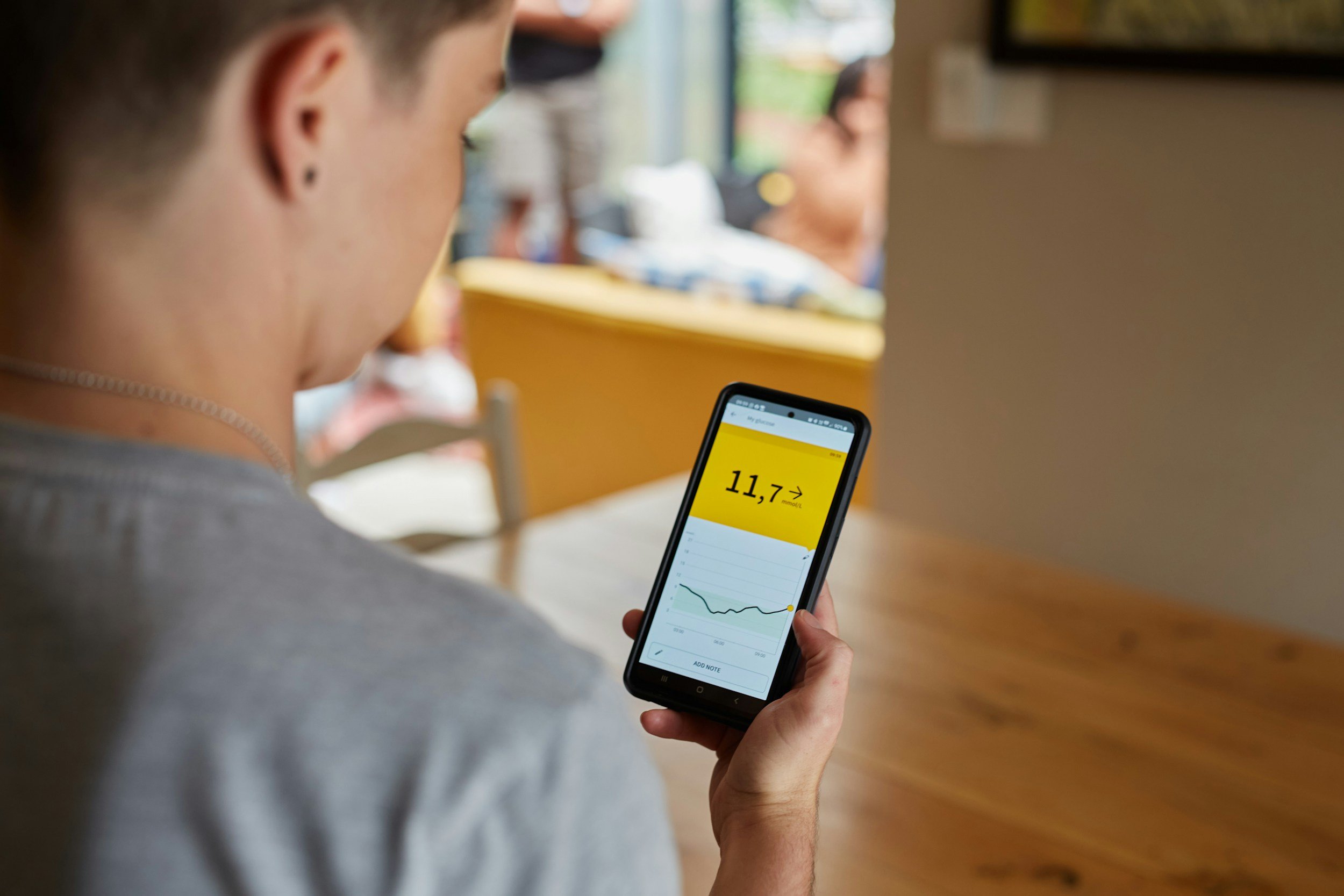
CGM stands for Continuous Glucose Monitor. A CGM system continuously measures glucose levels throughout the day and night and provides real-time information about blood sugar trends.
A CGM system typically has three components:
1. Sensor
The sensor is a very small device inserted just underneath the skin using a tiny filament. It measures glucose levels in the fluid between your cells, known as interstitial fluid. These readings are very similar to blood glucose levels.
It is important to note that there is usually a slight delay of about 5–10 minutes between blood glucose levels and CGM readings. However, because the CGM measures continuously, it is extremely useful for identifying trends and patterns over time.
2. Transmitter
The transmitter sends glucose data wirelessly from the sensor to the receiver using Bluetooth or similar technology.
3. Receiver
The receiver is the device that displays your glucose readings. This may be:
Your smartphone
A dedicated CGM receiver
An insulin pump
A monitoring system in your healthcare provider’s office
Regardless of the specific brand or model, all CGM systems contain these three essential components.
Who Can Benefit from a CGM?
There are several different types of CGMs available today, and many people can benefit from using them.
1. Individuals with Prediabetes
People diagnosed with prediabetes may benefit from over-the-counter CGMs. Working with a Diabetes Educator familiar with CGM technology can help you better understand glucose spikes and connect them with:
Food choices
Exercise habits
Sleep quality
Stress levels
Daily routines
This can help you recognize patterns and make realistic lifestyle changes that improve your A1C and overall health.
2. Individuals Newly Diagnosed with Prediabetes
Sometimes a routine visit to your primary care physician reveals elevated blood sugars or prediabetes. In these situations, discussing the potential benefits of a CGM with your physician may be worthwhile.
In some cases, insurance may cover a CGM for a short period of time. Your physician’s office or insurance company may also help connect you with a Diabetes Educator who can support you in lowering your A1C and reducing your risk of progressing to Type 2 Diabetes.
3. Individuals with Type 2 Diabetes
People managing Type 2 Diabetes through lifestyle changes, oral medications, or a combination of therapies can greatly benefit from CGM use.
CGMs help individuals understand how food, activity, medications, stress, and sleep affect glucose levels. Working with a Diabetes Educator can also help improve Time in Range — the percentage of time your blood sugars remain within a healthy target range.
4. Individuals with Type 1 Diabetes
For individuals living with Type 1 Diabetes, especially those using insulin pumps or multiple daily injections, CGMs can be life changing.
CGMs help with:
Insulin dose adjustments
Preventing hypoglycemia (low blood sugar)
Correcting hyperglycemia (high blood sugar)
Improving overall glucose control and safety
Final Thoughts
I truly cannot overstate how helpful CGM technology can be. Instead of relying solely on finger sticks several times a day, CGMs provide continuous, meaningful information about what is happening inside your body in real time.
More importantly, they help transform glucose numbers into actionable insights — empowering people to make informed decisions, build healthier habits, and take control of their diabetes journey one small step at a time.
Top of Form
